Author: admin

  • कुड़ुख भाषा की लिपि ‘तोलोंग सिकि’ को वैश्विक पहचान — यूनिकोड में शामिल हुआ ‘Kelly Tolong’ फॉन्ट

    कुड़ुख भाषा की लिपि ‘तोलोंग सिकि’ को वैश्विक पहचान — यूनिकोड में शामिल हुआ ‘Kelly Tolong’ फॉन्ट

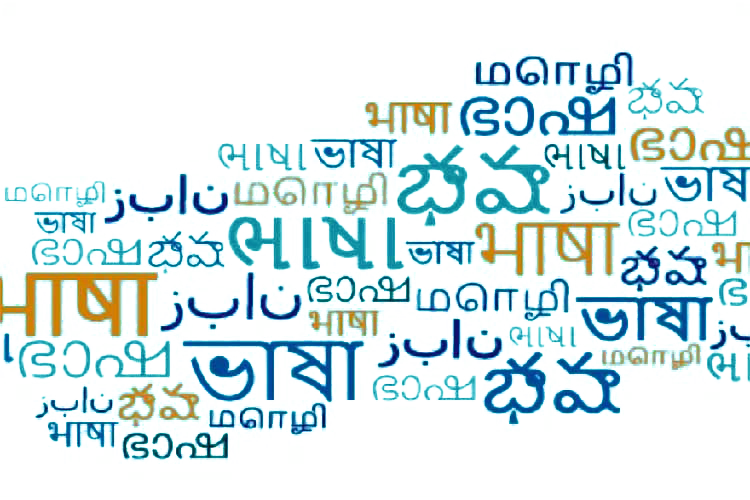
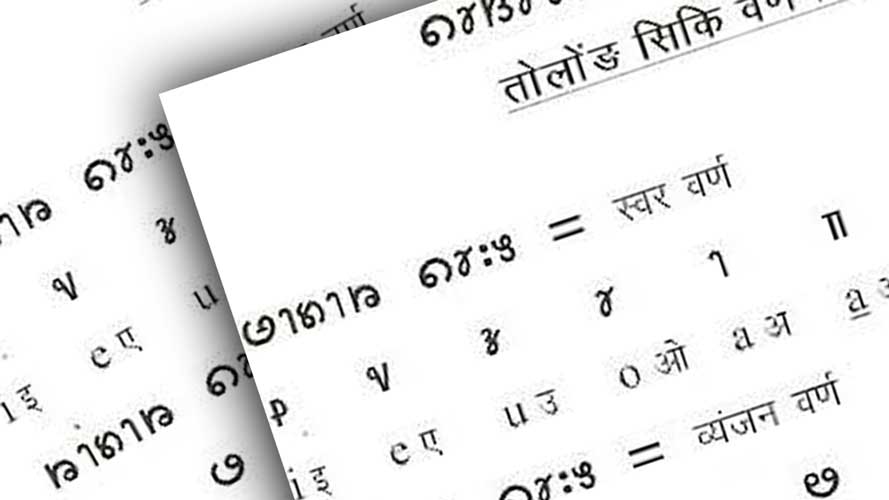
    भारतीय आदिवासी भाषाओं के इतिहास में एक महत्वपूर्ण और ऐतिहासिक उपलब्धि सामने आई है। कुड़ुख (कुंडुख) भाषा की लिपि तोलोंग सिकि अब विश्व स्तर पर डिजिटल माध्यमों में लिखी और पढ़ी जा सकेगी। अंतरराष्ट्रीय स्तर पर कंप्यूटर भाषाओं के मानकीकरण का कार्य करने वाली संस्था Unicode Consortium ने तोलोंग सिकि के लिए विकसित “Kelly Tolong” फॉन्ट को यूनिकोड प्रणाली में शामिल कर लिया है।

    इस फॉन्ट का निर्माण कंप्यूटर विज्ञानी और पत्रकार Kislaya ने किया है। इस उपलब्धि के साथ ही कुड़ुख भाषा अब डिजिटल दुनिया में पूरी तरह स्थापित हो गई है और वैश्विक भाषा मानचित्र पर उसकी उपस्थिति और मजबूत हो गई है।

    आदिवासी भाषा के लिए ऐतिहासिक क्षण

    कुड़ुख भाषा भारत के झारखंड, छत्तीसगढ़, ओडिशा और पश्चिम बंगाल सहित कई क्षेत्रों में रहने वाले उरांव (ओरांव) आदिवासी समुदाय की प्रमुख भाषा है। इसके अलावा नेपाल और बांग्लादेश के कुछ हिस्सों में भी इस भाषा के बोलने वाले लोग मौजूद हैं।

    लंबे समय तक यह भाषा मुख्य रूप से मौखिक परंपरा के माध्यम से ही जीवित रही। बाद में इसे लिखने के लिए Tolong Siki लिपि का विकास किया गया, जिससे कुड़ुख भाषा को एक स्वतंत्र और सांस्कृतिक रूप से पहचान देने वाला लेखन माध्यम मिला।

    इस लिपि के विकास का श्रेय Dr. Narayan Oraon को जाता है। पेशे से चिकित्सक डॉ. नारायण उरांव झारखंड के जमशेदपुर में सरकारी डॉक्टर के रूप में कार्यरत हैं और मूलतः गुमला जिले के सिसई प्रखंड के सैन्दा गांव के निवासी हैं। उन्होंने कुड़ुख भाषा को एक स्वतंत्र लिपि देने की दिशा में अपनी ऐतिहासिक यात्रा वर्ष 1995 में शुरू की थी। वर्षों के अध्ययन, शोध और प्रयोग के बाद उन्होंने तोलोंग सिकि लिपि का विकास किया, जिसने कुड़ुख भाषा को एक नई पहचान प्रदान की।

    यूनिकोड से खुला डिजिटल दुनिया का द्वार

    हालांकि लिपि के विकास के बावजूद डिजिटल दुनिया में इसकी उपस्थिति सीमित थी, क्योंकि कंप्यूटर और मोबाइल उपकरणों पर किसी भी भाषा को लिखने-पढ़ने के लिए उसका यूनिकोड मानकीकरण आवश्यक होता है।

    यूनिकोड वह वैश्विक मानक है जो दुनिया की हजारों भाषाओं और लिपियों को कंप्यूटर, मोबाइल और इंटरनेट पर एक समान तरीके से प्रदर्शित करने की सुविधा देता है।

    अब Kelly Tolong फॉन्ट के माध्यम से तोलोंग सिकि लिपि में लिखे गए शब्द और वाक्य दुनिया के किसी भी डिजिटल प्लेटफॉर्म—जैसे कंप्यूटर, मोबाइल फोन, वेबसाइट, सोशल मीडिया और डिजिटल प्रकाशनों—में सही रूप में दिखाई दे सकेंगे।

    इससे कुड़ुख भाषा में डिजिटल दस्तावेज, वेबसाइट, शिक्षण सामग्री, ई-बुक और सोशल मीडिया सामग्री तैयार करना आसान हो जाएगा।

    ‘Kelly Tolong’ फॉन्ट का विकास

    Kelly Tolong फॉन्ट का निर्माण कंप्यूटर विज्ञानी व पत्रकार किसलय द्वारा किया गया है। किसी भी लिपि को यूनिकोड प्रणाली के अनुरूप फॉन्ट में बदलना एक जटिल तकनीकी प्रक्रिया होती है।

    इसमें प्रत्येक अक्षर या ग्लिफ़ (glyph) को सावधानीपूर्वक डिज़ाइन करना पड़ता है और उसे यूनिकोड के निर्धारित कोड पॉइंट से जोड़ा जाता है, ताकि कंप्यूटर सिस्टम उसे सही ढंग से पहचान और प्रदर्शित कर सके।

    इस तकनीकी कार्य के माध्यम से अब तोलोंग सिकि लिपि आधुनिक सॉफ्टवेयर, वेबसाइटों और डिजिटल प्लेटफॉर्म पर सहज रूप से उपयोग की जा सकेगी।

    तकनीक और सांस्कृतिक पहचान

    भाषा केवल संवाद का माध्यम नहीं होती, बल्कि वह किसी समाज की संस्कृति, इतिहास और पहचान का आधार भी होती है। आदिवासी समुदायों के लिए यह और भी अधिक महत्वपूर्ण है, क्योंकि भाषा उनके पारंपरिक ज्ञान और सांस्कृतिक विरासत को संरक्षित रखने का प्रमुख साधन है।

    तोलोंग सिकि के डिजिटल रूप में आने से अब कुड़ुख भाषा में स्कूलों के लिए शिक्षण सामग्री, ऑनलाइन पुस्तकें, शोध सामग्री और सांस्कृतिक दस्तावेज तैयार करना आसान होगा।

    यह उपलब्धि आने वाली पीढ़ियों को अपनी भाषा और लिपि से जुड़े रहने का अवसर भी प्रदान करेगी।

    आर्टिफिशियल इंटेलिजेंस के युग में नई संभावनाएँ

    आज जब कंप्यूटर तकनीक तेजी से आगे बढ़ रही है और Artificial Intelligence का विस्तार हो रहा है, तब डिजिटल रूप में उपलब्ध भाषाएँ ही भविष्य की तकनीकों में शामिल हो पाती हैं।

    तोलोंग सिकि लिपि के डिजिटल समर्थन से भविष्य में कुड़ुख भाषा को भी मशीन अनुवाद, वॉयस रिकग्निशन, भाषा विश्लेषण और अन्य एआई आधारित प्रणालियों में शामिल करने की संभावनाएँ बढ़ गई हैं।

    इससे न केवल भाषा का संरक्षण होगा बल्कि यह वैश्विक तकनीकी मंचों पर भी अपनी जगह बना सकेगी।

    वैश्विक भाषा मानचित्र पर कुड़ुख

    Kelly Tolong फॉन्ट का यूनिकोड में शामिल होना केवल एक तकनीकी उपलब्धि नहीं है, बल्कि यह सांस्कृतिक और भाषाई दृष्टि से भी एक बड़ा मील का पत्थर है।

    डॉ. नारायण उरांव द्वारा 1995 में शुरू की गई तोलोंग सिकि लिपि की यात्रा अब डिजिटल युग में एक नए मुकाम पर पहुंच गई है। वहीं आधुनिक कंप्यूटर तकनीक और फॉन्ट डिज़ाइन के माध्यम से इस लिपि को वैश्विक डिजिटल मंच तक पहुँचाने का कार्य किसलय द्वारा तैयार किए गए Kelly Tolong फॉन्ट ने संभव बनाया है।

    इस कदम के साथ कुड़ुख भाषा अब डिजिटल युग में पूरी तरह प्रवेश कर चुकी है। अब यह भाषा केवल स्थानीय समुदाय तक सीमित नहीं रहेगी, बल्कि इंटरनेट और आधुनिक तकनीक के माध्यम से विश्व स्तर पर पढ़ी-लिखी और साझा की जा सकेगी।

    यह उपलब्धि यह भी दर्शाती है कि जब तकनीक, शोध और सांस्कृतिक प्रतिबद्धता एक साथ मिलते हैं, तो किसी भी भाषा और संस्कृति को वैश्विक पहचान दिलाई जा सकती है।
  • Kurukh Script “Tolong Siki” Enters the Global Digital Stage as Unicode Accepts “Kelly Tolong” Font

    Kurukh Script “Tolong Siki” Enters the Global Digital Stage as Unicode Accepts “Kelly Tolong” Font

    In a landmark development for linguistic diversity and digital inclusion, the Kurukh language—spoken by millions of members of the Oraon tribal community in India—has taken a significant step toward global recognition. The Tolong Siki script, used to write the Kurukh language, can now be read and written digitally across the world after the global Unicode Consortium accepted the “Kelly Tolong” font into the Unicode ecosystem.

    The font has been designed by computer scientist and journalist Kislaya, marking an important achievement not only for the Kurukh-speaking community but also for the preservation and advancement of indigenous languages in the digital age.

    A Historic Moment for an Indigenous Language

    Kurukh, also known as Kudukh, is a major tribal language spoken primarily in the Indian states of Jharkhand, Chhattisgarh, Odisha, and West Bengal, as well as in parts of Bangladesh and Nepal. For decades, the language was largely limited to oral communication or written forms that lacked universal digital compatibility.

    The Tolong Siki script was developed in the late 20th century to provide Kurukh speakers with a distinct and culturally rooted writing system. While the script gained acceptance among scholars, educators, and the tribal community, its digital presence remained limited because it lacked standardized Unicode support.

    The inclusion of the Kelly Tolong font into Unicode-compatible systems now removes that barrier. With this advancement, Tolong Siki can be typed, displayed, shared, and published on computers, mobile devices, and the internet anywhere in the world.

    The Role of Unicode in Global Communication

    Unicode is the international standard that allows computers to represent and process text from thousands of languages and writing systems. Without Unicode, many scripts cannot be consistently displayed across devices and software platforms.

    By enabling Tolong Siki to function within the Unicode framework, the new font allows Kurukh speakers to create digital documents, websites, educational materials, and social media content in their own script. This marks a major step toward ensuring that the language thrives in the digital era.

    Experts believe that such developments are crucial for protecting linguistic diversity. Thousands of languages worldwide are at risk of disappearing, largely because they lack a strong presence in digital communication.

    The Vision Behind “Kelly Tolong”

    The development of the Kelly Tolong font represents a blend of cultural commitment and technological innovation. Created by Kislaya, a computer scientist and journalist, the font aims to bridge the gap between traditional scripts and modern computing systems.

    Designing a Unicode-compatible font requires deep knowledge of typography, digital encoding standards, and language structure. Each glyph must be carefully designed and mapped to specific Unicode code points so that computers can correctly interpret and display the script.

    Through this effort, the Tolong Siki script has now gained the ability to function seamlessly within modern software environments, opening new possibilities for education, publishing, and digital communication.

    Technology Empowering Cultural Identity

    The recognition of Tolong Siki within the global digital ecosystem highlights how technology can strengthen cultural identity rather than diminish it. For indigenous communities, language is a key pillar of heritage, tradition, and collective memory.

    By enabling Kurukh to be written and shared digitally, the Kelly Tolong font helps ensure that future generations can learn and use their language in modern contexts. Schools, researchers, and cultural organizations can now develop digital learning materials and archives using the script.

    This development also encourages the creation of mobile keyboards, digital libraries, and online content in Kurukh, further expanding its reach.

    From Typography to Artificial Intelligence

    The digital transformation of languages is becoming even more important as artificial intelligence and advanced computing technologies continue to evolve. AI systems rely heavily on digital text data to process, translate, and understand languages.

    With Tolong Siki now digitally supported, Kurukh language resources can eventually be integrated into AI-driven tools such as language translation systems, speech recognition platforms, and cultural archives.

    Such technological integration ensures that indigenous languages are not left behind in the rapidly advancing digital world.

    A Milestone on the Global Language Map

    The acceptance of the Kelly Tolong font represents more than a technological achievement—it is a cultural milestone. It places the Kurukh language firmly on the global linguistic map and demonstrates how modern computing can empower communities to preserve and promote their heritage.

    For the Kurukh-speaking community, this recognition is a proud moment. For the world of typography and language technology, it is another reminder that the digital future must include every voice and every script.

    As languages continue to move into the digital space, innovations like the Kelly Tolong font prove that technology can serve not only progress but also cultural preservation and global understanding.

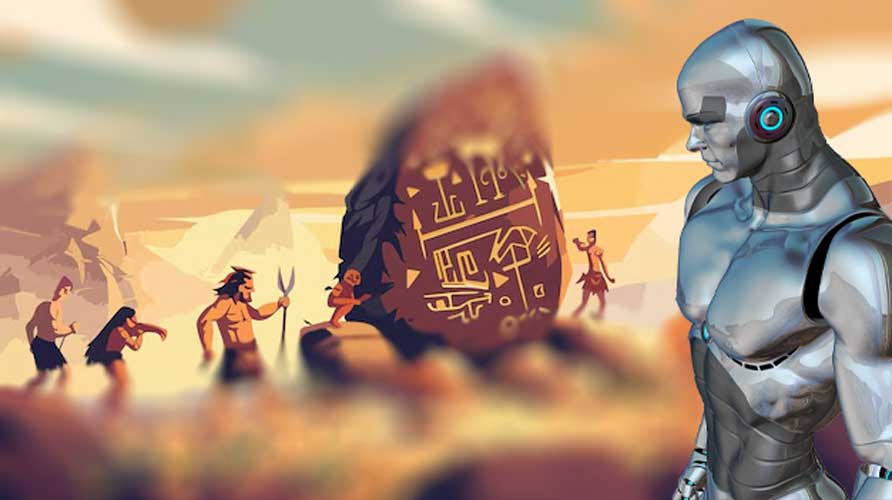
  • From Stone Carvings to Artificial Intelligence: The Incredible Journey of Font Design

    From Stone Carvings to Artificial Intelligence: The Incredible Journey of Font Design

    Human civilization has always been deeply connected with language and its visual representation. Fonts—those carefully designed shapes that form letters and symbols—are not merely technical elements of writing. They represent culture, knowledge, communication, and identity. The story of font designing is therefore closely tied to the history of writing systems, printing technology, computers, and now artificial intelligence.

    The earliest roots of typography can be traced back thousands of years to ancient civilizations. Early humans expressed their ideas through symbols carved into stone, clay tablets, and metal surfaces. Egyptian hieroglyphs, Mesopotamian cuneiform, and early Asian scripts demonstrate how societies began shaping written symbols with aesthetic and functional intent. Although these were not “fonts” in the modern sense, they laid the foundation for the concept of structured visual language.

    A major turning point came in the 15th century with the invention of the printing press by Johannes Gutenberg. Gutenberg’s movable type technology revolutionized the spread of knowledge. For the first time in history, written material could be reproduced quickly and consistently. During this period, the earliest typefaces were created to mimic handwritten manuscripts. Over time, typographers began developing unique styles such as serif, sans-serif, and decorative letterforms. Typography gradually became both a science and an art.

    The industrial revolution further accelerated this evolution. With expanding industries, newspapers, advertising, and publishing required a wide variety of fonts. Type foundries emerged across Europe and America, producing thousands of metal typefaces for printing presses. Designers experimented with bold display fonts, elegant book typefaces, and ornamental lettering styles. Typography became an essential part of communication, branding, and visual culture.

    However, the real transformation of font design began in the late 20th century with the rise of computer technology. Digital computing fundamentally changed the way fonts were created and used. Instead of carving letters into metal blocks, designers could now draw and edit typefaces on computers using specialized software. The introduction of digital font formats such as TrueType and OpenType allowed fonts to be used across operating systems, printers, and digital platforms.

    This digital revolution democratized typography. Designers, developers, and even individual creators could now design their own fonts. Tools like FontForge, Glyphs, and other digital font editors enabled detailed control over glyph shapes, spacing, kerning, and Unicode mapping. The expansion of Unicode standards also made it possible to represent thousands of languages and scripts within digital environments, supporting linguistic diversity across the world.

    At the same time, the internet accelerated the importance of typography even further. Websites, mobile apps, digital publishing platforms, and user interfaces rely heavily on well-designed fonts to provide readability and aesthetic appeal. Web fonts, responsive typography, and variable fonts are now central elements of modern digital design. A well-designed typeface can influence user experience, brand identity, and cultural representation.

    Today, we are entering a new chapter in the history of font design—the era of Artificial Intelligence. AI-powered tools are beginning to assist designers in generating letterforms, analyzing readability, and even recreating historical scripts. Machine learning models can study thousands of typefaces and suggest new stylistic variations. AI can also help in digitizing endangered or traditional scripts, preserving linguistic heritage for future generations.

    For communities with unique writing systems or regional scripts, this technological shift offers tremendous opportunities. Fonts are no longer just visual assets; they are vehicles for preserving language, culture, and identity in the digital world. By developing modern Unicode-compatible fonts, languages that were once limited to handwritten or printed forms can now thrive in smartphones, websites, and global communication platforms.

    This is precisely the vision behind KITS – Kislaya IT Services. At kits.kislaya.com, we explore the intersection of technology, language, and creativity. From font designing and digital typography to web development and graphic design, our mission is to help individuals and communities bring their linguistic and cultural identities into the digital age.

    As computer technology continues to evolve and artificial intelligence becomes more powerful, the future of typography looks incredibly exciting. New tools will empower designers to create smarter, more adaptive, and culturally rich fonts. Languages that once struggled for digital representation will gain a stronger presence online.

    The journey of font designing—from carved symbols on ancient stones to intelligent digital typefaces—is a story of human creativity combined with technological progress. And the next chapter of this journey is only just beginning.